
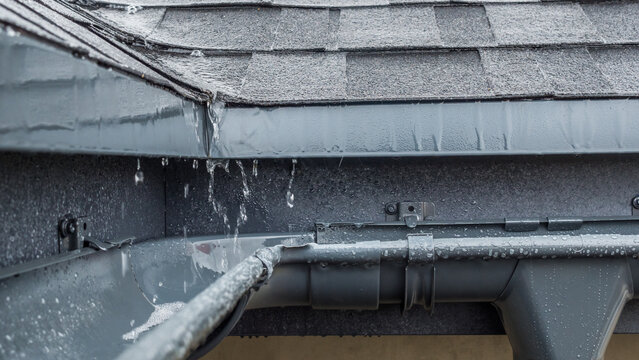
Heavy rain might be the worst nightmare of a homeowner when it comes to roof damage. If a single leak is not fixed, it may result in expensive repairs, water damage, and even structural problems. On the other hand, the good news is that regular care can actually save you from major roof leaks. Homeowners who work with CJ Services actually know how to save themselves from big damage. This guide actually explains how you can take big steps to avoid risks of roof leaks in case of heavy rainfall.
Conduct Regular Roof Inspections:
Understanding the condition of your roof is the first step towards prevention. Plan for at least two annual roof inspections, preferably in the spring and fall. During inspection, look for any missing, broken, or curled-up shingles that might let water in during rainfall. Particular attention should be paid to the regions surrounding skylights, vents, and chimneys, where there are more chances of roof leaks. You can also use binoculars for a visual inspection if you’re comfortable doing so. Keep an eye out for any obvious indication of damage, such as holes, sagging, or debris buildup. However, to prevent harm and to guarantee an extensive evaluation, always leave detailed inspections and repairs to the experts.
Leave Your Gutters Clean and Functional
One of the main reasons for roof leaks during heavy rain is clogged gutters. Water is stored beneath the edge of your roof when gutters are clogged and not cleaned properly. This standing water starts to leak into the structure of your house through the shingles. You should try to clean your gutters at least twice a year, or more frequently. To reduce the amount of debris that is gathered up in your gutters, try to install gutter guards. Additionally, to avoid water damage and possible basement flooding, make sure that your gutters divert water atleast five feet away from the foundation of your house.
Trim Trees Near the Roof:
There are several ways that trees close to your house can damage your roof. Falling branches can seriously harm the structure, while overhanging branches can scratch and harm roofs during windy storms. Tree debris and leaves may clog gutters and retain moisture on your roof.
If any branches are hanging within six feet of your roof, trim them. In addition to protecting your shingles, this lessens the quantity of organic waste that builds up on your roof, which may keep moisture and contribute to the formation of algae.
Check Flashing Around Roof Opening:
Flashing is the metal or plastic material that surrounds roof penetrations such as chimneys, vent pipes, and skylights. Flashing can rust, break, or separate from the roof, leaving an opening for the water to enter. Check your flashing frequently and repair any cracks or holes you find with a roofing sealant. If the flashing is severely damaged or broken, have it repaired by a professional. Flashing that has been fixed or installed creates a waterproof
barrier, which is crucial for stopping leaks during periods of high rainfall.
Address Missing or Damaged Shingles:
The strength of your roof is compromised even if a few shingles are missing. Shingles can break, curl, or blow away completely due to wind, hail, and aging. These vulnerable spots let water seep through the foundation and maybe into your living areas and attic during periods of heavy rain.
As soon as you see broken shingles, replace them. Usually, this is a reasonably priced fix that stops future, far more costly water damage. It could be time to think about replacing the entire roof if you observe extensive shingle damage.
Check and Repair Roof Valleys:
Roof valleys are points where two roof planes intersect. These intersections are vulnerable and carry large amounts of water. During heavy rain and storms, water may seep through the valley flashing that was damaged or was installed incorrectly. Check valleys for weakened shingles, broken flashing, or debris buildup. These areas should be kept free and in excellent shape to withstand the concentrated water flow that occurs during storms.
Ensure Attic Ventilation:
While it might seem unrelated, proper attic ventilation is essential for stopping roof leaks. Moisture collection from poor ventilation can result in wood rot, the formation of mold, and damaged roof decking. When it rains a lot, the damage increases the chances that your roof will leak.
To maintain appropriate airflow, make sure your attic has enough insulation and ventilation. This prolongs lifespan and guards against damage from dampness.
Consider a Proper Roof Maintenance Plan:
Many roofing businesses provide maintenance packages that include priority service, minor repairs, and routine inspections. These efforts offer comfort and guarantee that your roof will always receive expert care. The low annual cost frequently pays for itself by identifying minor faults before they become severe problems.
Conclusion:
Preventing roof leaks during heavy rain needs routine maintenance and care. Water damage to your property can be prevented by timely repairs, safe flashing, clean gutters, and roof inspections. A roof that has been properly maintained may withstand extreme weather conditions far better. CJ Services assists and ensures that your roof is prepared for the upcoming severe weather. Make an appointment for a professional roof inspection or maintenance service with us right now to shield your house against costly damage and unplanned leaks.
FAQs:
Why do roof leaks occur when it rains a lot?
Water pressure on the roof rises with heavy rain. Under prolonged or heavy rains, weak spots or tiny cracks that don’t leak in mild rain may fail.
Is mold a result of roof leaks?
Indeed. If left unchecked, moisture from roof leaks can cause mold to grow inside insulation, walls, and ceilings.
What is the frequency of gutter cleaning?
At least twice a year, and more frequently if there are trees nearby or storms occur regularly, gutters should be cleaned.
Is it easy to identify all roof leaks?
No, some leaks begin inside walls or in the attic and may go undetected until damage is obvious.
Is it worthwhile to perform preventive roof maintenance?
Indeed. Preventive maintenance prolongs roof life, reduces costs, and helps avert expensive storm damage repairs.